
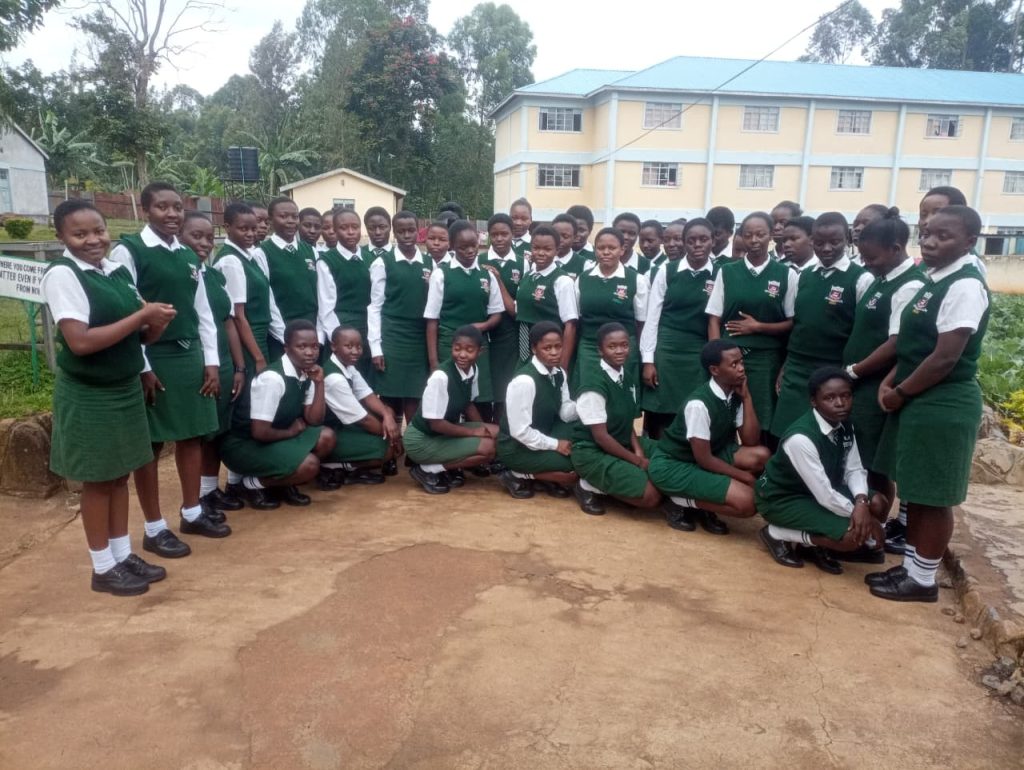
Competency-Based Education (CBE) at the Senior Secondary level marks a transformative shift in how learners are prepared for higher education, employment, and life skills. Unlike traditional systems that emphasize memorization and examinations, CBE focuses on developing practical skills, talents, values, and real-world competencies aligned with learners’ interests and abilities.
Senior Secondary CBE empowers learners to make informed career choices early, nurtures innovation, and equips them with skills needed in a rapidly changing global economy.
Competency-Based Education is a learner-centered approach where progress is based on the demonstration of skills, knowledge, attitudes, and values, rather than time spent in class. Learners are assessed continuously through projects, practical tasks, portfolios, and real-life problem-solving activities.
At the Senior Secondary level, CBE allows learners to specialize in pathways that align with their strengths, passions, and career aspirations.
Key Benefits of CBE in Senior Secondary School
1. Learner-Centered and Personalized Learning
CBE recognizes that learners have different abilities and interests. Students choose pathways that match their talents, making learning more engaging, meaningful, and motivating.
2. Strong Career Alignment
Senior Secondary CBE connects education directly to future careers. Learners gain exposure to career pathways early, reducing uncertainty when transitioning to tertiary education or the job market.
3. Emphasis on Practical Skills
CBE prioritizes hands-on learning, critical thinking, creativity, communication, collaboration, and problem-solving—skills highly valued by employers and universities.
4. Continuous and Holistic Assessment
Assessment goes beyond final exams. Learners are evaluated through projects, presentations, research, and practical work, ensuring a holistic view of their abilities.
5. Talent Identification and Nurturing
CBE allows schools to identify and nurture talents in academics, sports, arts, technology, and leadership, helping learners reach their full potential.
6. Smooth Transition to Higher Education and Employment
Graduates of CBE are better prepared for university, technical institutions, entrepreneurship, and employment due to their practical exposure and career readiness.
Senior Secondary CBE Pathways and Career Opportunities
Senior Secondary Education under CBE is organized into three major pathways, each offering diverse subject combinations and career prospects.
1. Arts and Sports Science Pathway
This pathway focuses on nurturing creativity, talent, physical development, and artistic expression.
Learning Areas Include:
Visual and Performing Arts
Music and Dance
Theatre and Film
Fine Art and Design
Sports Science and Physical Education
Creative Writing and Media Arts
Career Opportunities:
Professional Artist or Musician
Actor, Film Producer, or Director
Graphic Designer or Animator
Fashion and Interior Designer
Sports Scientist or Coach
Physical Education Teacher
Fitness Trainer
Sports Management and Administration
This pathway is ideal for learners with strong creative abilities, athletic talent, and a passion for performance and self-expression.
2. Social Sciences Pathway
The Social Sciences pathway develops learners’ understanding of society, governance, culture, economics, and human behavior.
Learning Areas Include:
History and Government
Geography
Economics
Sociology and Psychology
Religious Studies
Languages and Literature
Business Studies
Career Opportunities:
Lawyer or Legal Assistant
Economist or Policy Analyst
Journalist or Media Practitioner
Diplomat or International Relations Officer
Human Resource Manager
Business Manager or Entrepreneur
Teacher or Lecturer
Public Administrator
This pathway suits learners interested in leadership, communication, governance, research, and social development.
3. Science, Technology, Engineering, and Mathematics (STEM) Pathway
The STEM pathway focuses on innovation, scientific inquiry, technology, and problem-solving for real-world challenges.
Learning Areas Include:
Mathematics
Biology, Chemistry, and Physics
Computer Science and Coding
Engineering and Robotics
Environmental and Applied Sciences
Career Opportunities:
Engineer (Civil, Electrical, Mechanical, Software)
Medical Doctor, Nurse, or Pharmacist
Data Scientist or Software Developer
Environmental Scientist
Architect
Actuary or Statistician
Research Scientist
ICT Specialist
This pathway prepares learners for careers in technology, healthcare, engineering, and scientific research.
In a world driven by innovation, technology, and creativity, CBE equips learners with future-ready skills. It promotes independence, adaptability, ethical values, and lifelong learning—qualities essential for success in the 21st century.
Senior Secondary CBE ensures that every learner has a pathway to success, whether academic, technical, artistic, or entrepreneurial.
Competency-Based Education in Senior Secondary School is a powerful approach that places the learner at the center of education. By offering diverse pathways and clear career opportunities, CBE prepares students not just to pass exams, but to thrive in higher education, careers, and life.
Schools implementing CBE play a critical role in shaping confident, skilled, and responsible citizens ready to contribute meaningfully to society.